This paper explores the pervasive crisis of microcredit and interest-based lending in Bangladesh, which has become a significant barrier to poverty alleviation and sustainable development. While microcredit was originally envisioned as a tool for empowering marginalized communities, particularly women, the ground realities reflect a different story. High interest rates, coercive repayment methods, and exploitative practices of cooperative societies and microfinance institutions (MFIs) have entrapped rural households into a vicious cycle of debt. Based on documentary evidence, community experiences, and secondary literature, this article critically examines how interest-driven microfinance undermines social justice, exacerbates inequality, and strips rural families of their last possessions. The paper concludes by suggesting alternative models of interest-free cooperative banking, state-regulated financial literacy, and pro-poor credit reforms for a more equitable future.
Keywords: Bangladesh, microcredit, interest, debt trap, cooperative societies, rural poverty, exploitation
Introduction
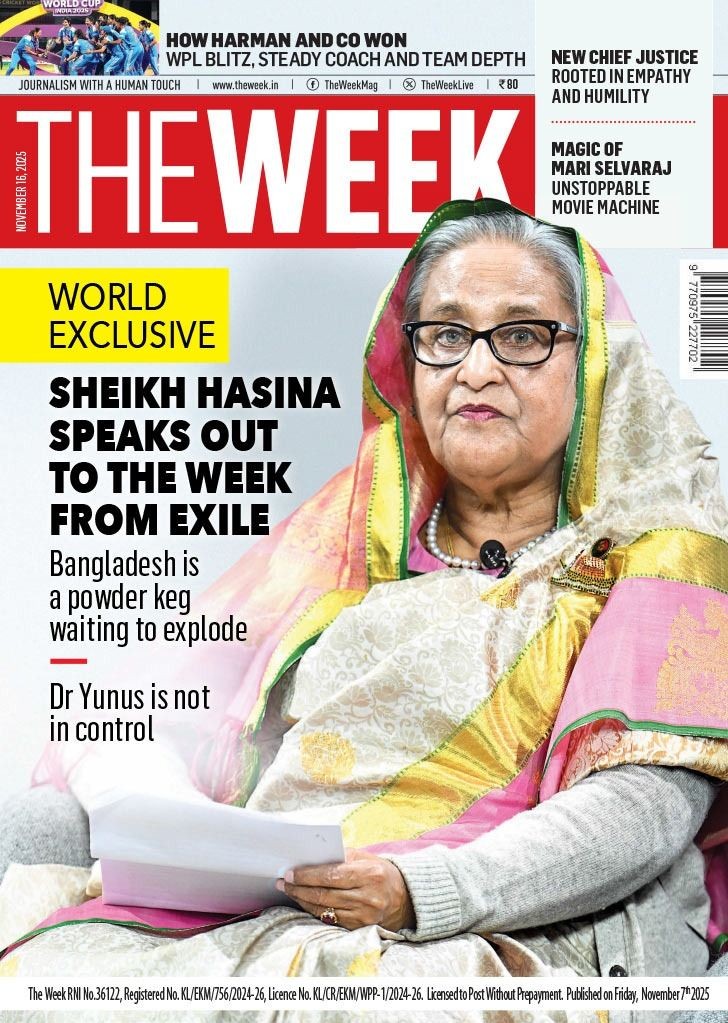
Bangladesh is widely recognized as the birthplace of microfinance, a model once celebrated globally for its role in reducing poverty. The most prominent figure behind this movement, Muhammad Yunus, and the Grameen Bank, received international acclaim, including the Nobel Peace Prize in 2006. However, the so-called miracle of microcredit has been increasingly questioned both within and outside the country (Bateman & Chang, 2012; Karim, 2011).
The slogan of “empowering the poor through access to credit” often conceals the harsh realities of rural indebtedness. Families that borrow from microfinance institutions (MFIs), NGOs, or local cooperative societies often find themselves in a cycle of continuous repayment. Far from uplifting the poor, microcredit in many cases has exacerbated their financial vulnerabilities (Rahman, 1999).
The question arises: Who is benefitting from this system, and at what cost to the ordinary Bangladeshi people? This paper critically investigates the structure of interest-based microfinance in Bangladesh, its social implications, and the role of state and non-state actors in perpetuating this exploitative cycle.
Literature Review
Theoretical Foundations of Microfinance
Microfinance originated as an alternative to traditional banking, which excluded the poor due to lack of collateral. Yunus (1999) argued that small loans to poor women could generate income and reduce poverty.
However, critical scholars (Bateman, 2010; Karim, 2011) highlight that instead of fostering entrepreneurship, most loans are used for consumption, repayment of old debts, or meeting social obligations such as weddings and funerals.
Criticism of Interest Rates and Debt Cycles
Empirical studies (Rahman, 1999; Duvendack et al., 2011) show that microfinance often charges effective interest rates of 30–40%, far exceeding formal bank loans. Weekly repayment schedules increase stress, while borrowers frequently take new loans to pay off old ones.
Gendered Dimensions
Although microcredit is largely distributed in women’s names, men often control the funds. This dynamic reinforces patriarchal structures and exposes women to social humiliation in case of default (Karim, 2011).
Alternative Models
Some scholars (Obaidullah & Khan, 2008) propose Islamic microfinance and cooperative-based systems as interest-free alternatives, which emphasize risk-sharing rather than profit extraction.
Methodology
This study adopts a qualitative research approach combining:
-
Documentary analysis – reviewing passbooks, receipts, and cooperative society records (as illustrated in the image provided).
-
Case study method – examining real-life rural households affected by loan repayment crises.
-
Secondary literature review – analyzing academic works, policy reports, and NGO documentation on microfinance in Bangladesh.
The paper does not rely on primary surveys but synthesizes existing knowledge with documentary evidence to present a critical interpretive analysis.
Findings
1. Predatory Interest Rates
Borrowers are required to pay back significantly more than they borrow. A loan of 50,000 BDT often results in repayments exceeding 70,000 BDT over 50 weeks.
2. Social Pressure and Coercion
Defaulting on repayment subjects borrowers to harassment, humiliation, and sometimes confiscation of property. NGO field workers and cooperative representatives frequently use group pressure tactics.
3. Inter-Generational Poverty
Instead of breaking poverty cycles, loans push families into deeper poverty. Children are withdrawn from schools to work and contribute to repayments.
4. Gendered Violence
Women face verbal abuse, threats, and even domestic violence when unable to repay installments.
5. Migration and Trafficking Risks
To escape debt, many families attempt migration through informal channels, exposing them to trafficking networks and further financial exploitation.
Discussion
The findings resonate with the broader critique of microfinance as an instrument of neoliberal governance (Karim, 2011). Instead of addressing structural inequalities—landlessness, unemployment, weak public health and education—microcredit shifts responsibility onto the poor themselves. By framing credit as “empowerment,” it obscures the coercive extraction of wealth from vulnerable households.
The state’s regulatory framework remains weak. The Microcredit Regulatory Authority (MRA) lacks sufficient enforcement capacity, allowing mushrooming of unregistered cooperatives and fraudulent financial schemes. Political patronage further shields exploitative institutions from accountability.
International donors also play a role by promoting microfinance as a universal poverty solution, while ignoring its harmful consequences in Bangladesh.
Alternatives and Policy Recommendations
-
Interest-Free Cooperative Banking
Develop community-based, Shariah-compliant financing that distributes profit and risk fairly among members. -
State Intervention and Regulation
Strengthen the MRA, crack down on illegal cooperatives, and introduce caps on effective interest rates. -
Productive Credit Only
Ensure that loans are tied to income-generating activities, not consumption or ceremonial expenses. -
Financial Literacy Campaigns
Educate rural households on budgeting, savings, and risks of multiple loans. -
Social Protection Systems
Expand state-funded health, education, and emergency support so families do not resort to debt for basic needs.
Conclusion
The narrative of microfinance as a poverty-alleviation miracle hides a darker reality of exploitation. Families across rural Bangladesh are losing not just their livelihoods but their dignity and last possessions to a system that thrives on interest and debt. The ultimate beneficiaries are microfinance institutions, cooperative societies, and international donors, while the poor remain entrapped.
To build a just and sustainable economy, Bangladesh must urgently reform its credit system, prioritizing interest-free cooperative models and stronger regulatory oversight. Otherwise, the question posed in the oppression "Who is taking away the last bit of wealth from the people of Bangladesh?" —will continue to haunt the nation.
References
-
Bateman, M. (2010). Why Doesn't Microfinance Work? The Destructive Rise of Local Neoliberalism. London: Zed Books.
-
Bateman, M., & Chang, H. J. (2012). Microfinance and the illusion of development: From hubris to nemesis in thirty years. World Economic Review, 1(1), 13–36.
-
Duvendack, M., Palmer-Jones, R., Copestake, J. G., Hooper, L., Loke, Y., & Rao, N. (2011). What is the evidence of the impact of microfinance on the well-being of poor people? EPPI-Centre, University of London.
-
Karim, L. (2011). Microfinance and Its Discontents: Women in Debt in Bangladesh. Minneapolis: University of Minnesota Press.
-
Obaidullah, M., & Khan, T. (2008). Islamic Microfinance Development: Challenges and Initiatives. Islamic Research and Training Institute.
-
Rahman, A. (1999). Micro-credit initiatives for equitable and sustainable development: Who pays? World Development, 27(1), 67–82.